
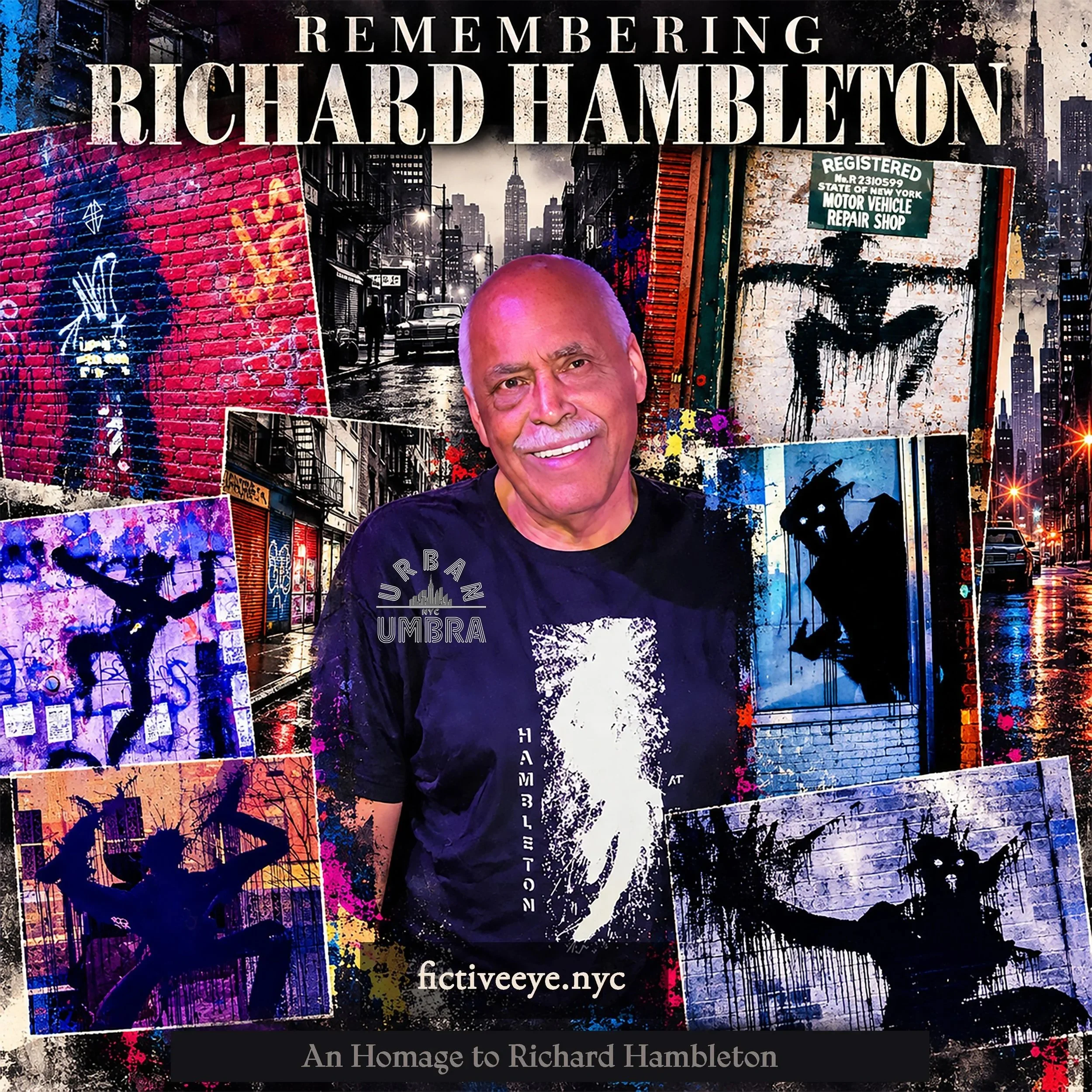
Remembering Richard Hambleton: Nine Years Later
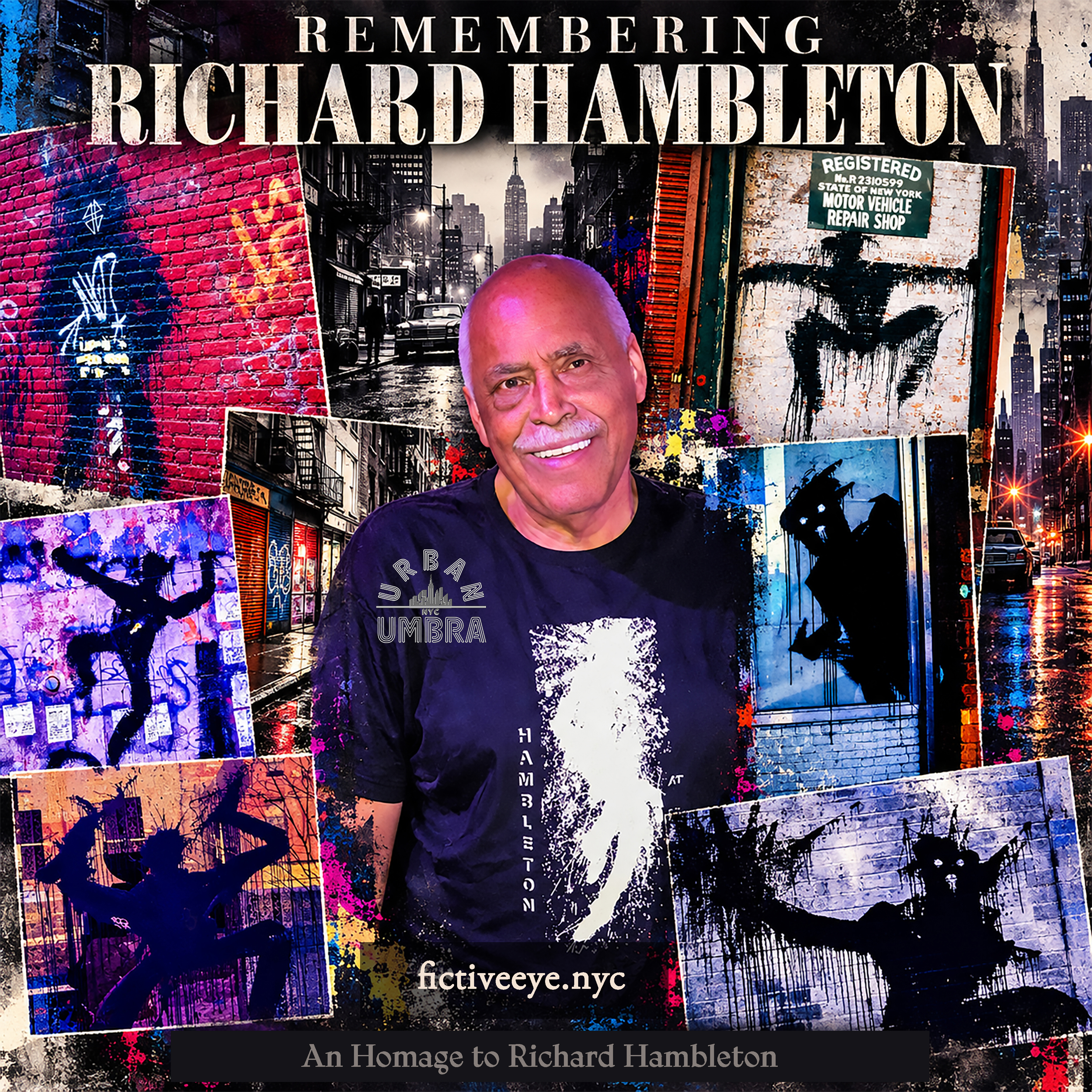

Today I pay homage to Richard Hambleton, who died nine years ago. In 1983 I followed his work across New York City and photographed 205 images at 27 locations throughout Manhattan, in daylight and in color. This post is my tribute to him and an introduction to the archive those photographs became.
What began as a personal photographic journey turned into an unusual visual record: an artist who made the city his canvas, seen in the places where he painted. For decades, that body of work stayed largely out of public view.
Hambleton's Shadows have since largely vanished from the streets. The photographs remain, and I believe they deserve to be seen.
## Key takeaways
- In 1983, I photographed 205 images of Hambleton's work at 27 locations across Manhattan.
- The photographs were taken in daylight and in color, which shows the Shadows in their original surroundings rather than as figures emerging from the dark.
- Hambleton's work responded to its setting. A wall, a doorway, a stretch of pavement or an architectural detail could become part of the composition.
- Time, redevelopment and gentrification have largely erased the Shadows from the streets, so the photographs preserve what the city no longer shows.
- A dedicated website now presents the archive and offers the photographs as fine art prints.
## Following the Shadows through Manhattan in 1983
The project had no grand plan behind it. I followed Hambleton's work from one block to the next and photographed what I found. Over time, those encounters added up to 205 images at 27 locations.
The figures appeared across the East Village, Chelsea, the West Village, Gramercy Park, Murray Hill and other Manhattan neighborhoods. Each place offered a different backdrop, a different relationship between shadow and architecture, and a different expression of the city's character.
Hambleton's ambitions did not stop at the edge of the island. After his New York explorations, he took his Shadows to Europe and extended his vision beyond the streets that first made them iconic.
I think of the whole body of work as images from a fictive eye: pictures made, in the dictionary's phrase, by imagination, then caught on film by someone walking behind it.
## Meeting the Shadows in daylight
For many New Yorkers, the Shadows arrived at night. A dark figure would emerge unexpectedly from the darkness, and the feeling it provoked was unease, fear or surprise.
My experience was different. I traveled through Manhattan with a friend, and we met them in daylight. In that light I saw their humor, their darkness and their theatrical presence. I also saw the streets they stood in, which were part of the performance.
That difference shaped the archive. A figure seen at midnight is mostly a silhouette and a jolt. The same figure seen at midday, in color, sits in a particular place with a particular wall behind it, and the viewer can read the relationship between the two.
## A city that helped make the work
Photographing so many of these figures revealed something about Hambleton's process. His work seemed to respond directly to its surroundings. A wall, a doorway, a stretch of pavement or an architectural detail could become part of the composition.
Each encounter suggested an artist responding intuitively to the place in front of him and letting the city take part in the creation of the work. You can't see that from a single image. Across 27 locations, it becomes plain.
Witnessing the images accumulate that way was both exhilarating and revealing. Every new block showed a new answer to the same question: how does a figure belong to the place where it stands?
> The photographs record the Shadows, and they also record how Hambleton worked with the city itself.
## Why this archive matters now
I am committed to bringing this archive into public view because it preserves a significant chapter in New York's artistic history. The Shadows have largely disappeared from the streets, their physical presence erased by time, redevelopment and gentrification.
The images remain. They hold the spirit of a city that once served as an open-air gallery for one of its most compelling street artists.
Nine years after his passing, I believe it is time to celebrate Richard Hambleton's legacy in a new way. I consider these photographs works of art in their own right. They also offer a rare, firsthand perspective on his creative vision and on the New York that inspired it.
That is why I built a dedicated website to celebrate Hambleton's artistic legacy and to introduce my photographs as fine art prints. My goal is to make this visual legacy accessible to a wider audience through prints that are affordable, collectible and worthy of a place on the wall. Brought into homes and collections, the images can keep Hambleton's work remembered and let a new generation experience the moment when New York City itself became his canvas.
## Frequently asked questions
### How many photographs did you take of Hambleton's Shadows?
I photographed 205 images at 27 locations throughout Manhattan in 1983. They follow his work across the city as I encountered it.
### Where in Manhattan were the Shadows photographed?
The figures appeared throughout the East Village, Chelsea, the West Village, Gramercy Park, Murray Hill and other Manhattan neighborhoods. Each location gave the work a different backdrop and a different relationship to the architecture around it.
### Why are these photographs in daylight and in color?
I encountered the Shadows in daylight while traveling through Manhattan with a friend. Daylight and color show the figures in their original environments, including their humor, their darkness and their theatrical presence.
### Can the Shadows still be seen on the streets?
Largely, no. Time, redevelopment and gentrification have erased their physical presence from the streets of Manhattan, which is a large part of why these photographs matter.
### Did Hambleton take the Shadows outside New York?
Yes. Following his New York explorations, he took his Shadows to Europe and extended his artistic vision beyond the streets that first made them iconic.
### Where can I find the photographs as fine art prints?
A dedicated website at fictiveeye.nyc celebrates Hambleton's legacy and introduces the photographs as fine art prints. I want them to be affordable, collectible and worthy of a place on the wall.
## What remains
Nine years on, the Shadows live in the photographs more than on the walls. The streets changed, the buildings changed and the neighborhoods changed, but the pictures still show a city lending its walls, doorways and pavement to an artist, and an artist answering back.
That is the legacy I want to keep in view. If you'd like to spend time with these images, the archive and the prints are at fictiveeye.nyc.
October 29th 2026
Today I pay homage to Richard Hambleton, who died nine years ago. In 1983 I followed his work across New York City and photographed 205 images at 27 locations throughout Manhattan, in daylight and in color. This post is my tribute to him and an introduction to the archive those photographs became.
What began as a personal photographic journey turned into an unusual visual record: an artist who made the city his canvas, seen in the places where he painted. For decades, that body of work stayed largely out of public view.
Hambleton's Shadows have since largely vanished from the streets. The photographs remain, and I believe they deserve to be seen.
Key takeaways
- In 1983, I photographed 205 images of Hambleton's work at 27 locations across Manhattan.
- The photographs were taken in daylight and in color, which shows the Shadows in their original surroundings rather than as figures emerging from the dark.
- Hambleton's work responded to its setting. A wall, a doorway, a stretch of pavement or an architectural detail could become part of the composition.
- Time, redevelopment and gentrification have largely erased the Shadows from the streets, so the photographs preserve what the city no longer shows.
- A dedicated website now presents the archive and offers the photographs as fine art prints.
Following the Shadows through Manhattan in 1983
The project had no grand plan behind it. I followed Hambleton's work from one block to the next and photographed what I found. Over time, those encounters added up to 205 images at 27 locations.
The figures appeared across the East Village, Chelsea, the West Village, Gramercy Park, Murray Hill and other Manhattan neighborhoods. Each place offered a different backdrop, a different relationship between shadow and architecture, and a different expression of the city's character.
Hambleton's ambitions did not stop at the edge of the island. After his New York explorations, he took his Shadows to Europe and extended his vision beyond the streets that first made them iconic.
I think of the whole body of work as images from a fictive eye: pictures made, in the dictionary's phrase, by imagination, then caught on film by someone walking behind it.
Meeting the Shadows in daylight
For many New Yorkers, the Shadows arrived at night. A dark figure would emerge unexpectedly from the darkness, and the feeling it provoked was unease, fear or surprise.
My experience was different. I traveled through Manhattan with a friend, and we met them in daylight. In that light I saw their humor, their darkness and their theatrical presence. I also saw the streets they stood in, which were part of the performance.
That difference shaped the archive. A figure seen at midnight is mostly a silhouette and a jolt. The same figure seen at midday, in color, sits in a particular place with a particular wall behind it, and the viewer can read the relationship between the two.
A city that helped make the work
Photographing so many of these figures revealed something about Hambleton's process. His work seemed to respond directly to its surroundings. A wall, a doorway, a stretch of pavement or an architectural detail could become part of the composition.
Each encounter suggested an artist responding intuitively to the place in front of him and letting the city take part in the creation of the work. You can't see that from a single image. Across 27 locations, it becomes plain.
Witnessing the images accumulate that way was both exhilarating and revealing. Every new block showed a new answer to the same question: how does a figure belong to the place where it stands?
> The photographs record the Shadows, and they also record how Hambleton worked with the city itself.
Why this archive matters now
I am committed to bringing this archive into public view because it preserves a significant chapter in New York's artistic history. The Shadows have largely disappeared from the streets, their physical presence erased by time, redevelopment and gentrification.
The images remain. They hold the spirit of a city that once served as an open-air gallery for one of its most compelling street artists.
Nine years after his passing, I believe it is time to celebrate Richard Hambleton's legacy in a new way. I consider these photographs works of art in their own right. They also offer a rare, firsthand perspective on his creative vision and on the New York that inspired it.
That is why I built a dedicated website to celebrate Hambleton's artistic legacy and to introduce my photographs as fine art prints. My goal is to make this visual legacy accessible to a wider audience through prints that are affordable, collectible and worthy of a place on the wall. Brought into homes and collections, the images can keep Hambleton's work remembered and let a new generation experience the moment when New York City itself became his canvas.
Frequently asked questions
How many photographs did you take of Hambleton's Shadows?
I photographed 205 images at 27 locations throughout Manhattan in 1983. They follow his work across the city as I encountered it.
Where in Manhattan were the Shadows photographed?
The figures appeared throughout the East Village, Chelsea, the West Village, Gramercy Park, Murray Hill and other Manhattan neighborhoods. Each location gave the work a different backdrop and a different relationship to the architecture around it.
Why are these photographs in daylight and in color?
I encountered the Shadows in daylight while traveling through Manhattan with a friend. Daylight and color show the figures in their original environments, including their humor, their darkness and their theatrical presence.
Can the Shadows still be seen on the streets?
Largely, no. Time, redevelopment and gentrification have erased their physical presence from the streets of Manhattan, which is a large part of why these photographs matter.
Did Hambleton take the Shadows outside New York?
Yes. Following his New York explorations, he took his Shadows to Europe and extended his artistic vision beyond the streets that first made them iconic.
Where can I find the photographs as fine art prints?
A dedicated website at fictiveeye.nyc celebrates Hambleton's legacy and introduces the photographs as fine art prints. I want them to be affordable, collectible and worthy of a place on the wall.
What remains?
Nine years on, the Shadows live in the photographs more than on the walls. The streets changed, the buildings changed and the neighborhoods changed, but the pictures still show a city lending its walls, doorways and pavement to an artist, and an artist answering back.
That is the legacy I want to keep in view. If you'd like to spend time with these images, the archive and the prints are at fictiveeye.nyc.